Another product isn’t needed. A different kind of company is.

Cheeklay partners with schools to improve the quality of education through custom technology, built with the teachers who use it.

Everything a district has, floating on its own.

Type a tool, a group or a document. It lands on the board above. Then stick it together.

The core problem

For decades, edtech has promised the next product would fix schools.

30%of the licenses districts buy are never used

The typical app across 48 districts. University of Pennsylvania analysis, 2018.

67%of Americans are dissatisfied with K‑12 education

Gallup, September 2026: the most in 27 years of asking.

If another product were the answer, schools would already be where edtech promised.

How we work

Four steps, with the people who teach.

  1. 1

    Find what to improve

    With school leaders and teachers, we identify the areas that need to get better.

  2. 2

    Ask the teachers

    We build relationships with teachers and design the fix with them. Ten out of ten times they know how to solve it. They’re just never asked.

  3. 3

    Build what they need

    Using teachers’ brutally honest feedback, we build the technology they’ve always needed to best serve their students.

  4. 4

    Never stop iterating

    We keep improving it with them after it ships.

What 16 educators told us

The real work lives outside the systems.

“Sometimes there’s no fix and students have their names spelled wrong.”A principal, on tools that break names with non-English characters
7 of 9coaches keep their real work outside the official systems.
3 of 3teachers paid for or built their own fix.
“So many systems that all work just a bit differently.”A coach
“The tool never understands the nuances of what teachers actually want/need.”A coach

16 educators in three districts, October 2026. Shared by role, without names.

Where it started

Built from the ground up, with the people who teach.

  1. Fifth grade
  2. Seven years later
  3. The ask
  4. Before
  5. The turn

    He closed his laptop and said: tell me what’s wrong. And they told him.

  6. Four weeks
  7. After

Why it has to be built this way

Some ninth graders arrive reading at a fourth-grade level. A curriculum has to bend right there, and only the people who teach it know where.
Who it’s built with

The people closest to students.

What we believe

Every tool starts with what teachers have always needed.

Teachers already know

Ask them first. They know what’s in the way.

With teachers, not to them

Teachers build it with us and see fixes the next week.

Guidance, not generation

The AI guides teachers. It doesn’t write for them.

It takes people

We pick up the phone and come back next week.

Cheeklay

The name

chee·klay

From chicle, Spanish for gum: it holds the loose pieces together, and it stretches before it lets go.

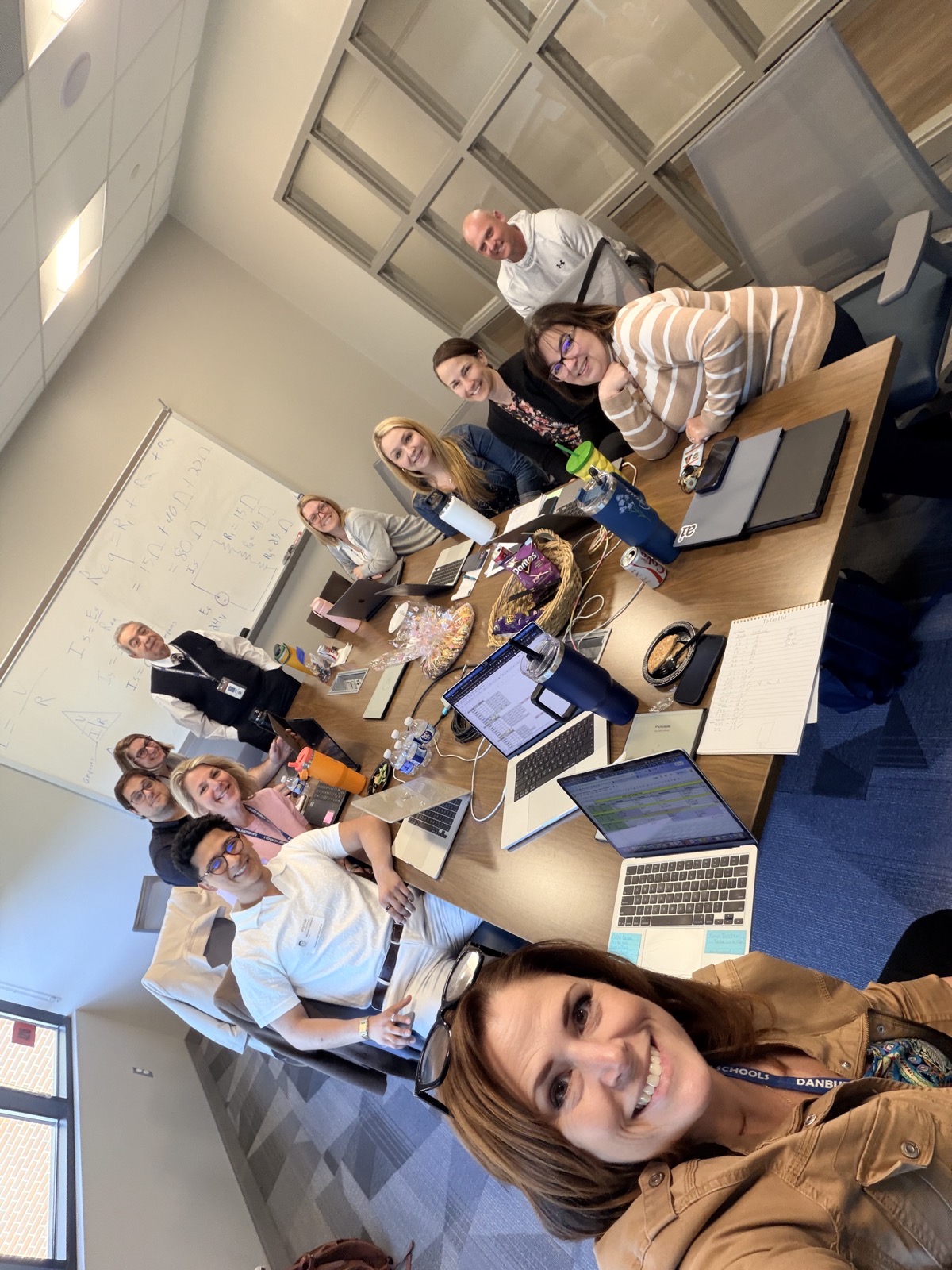
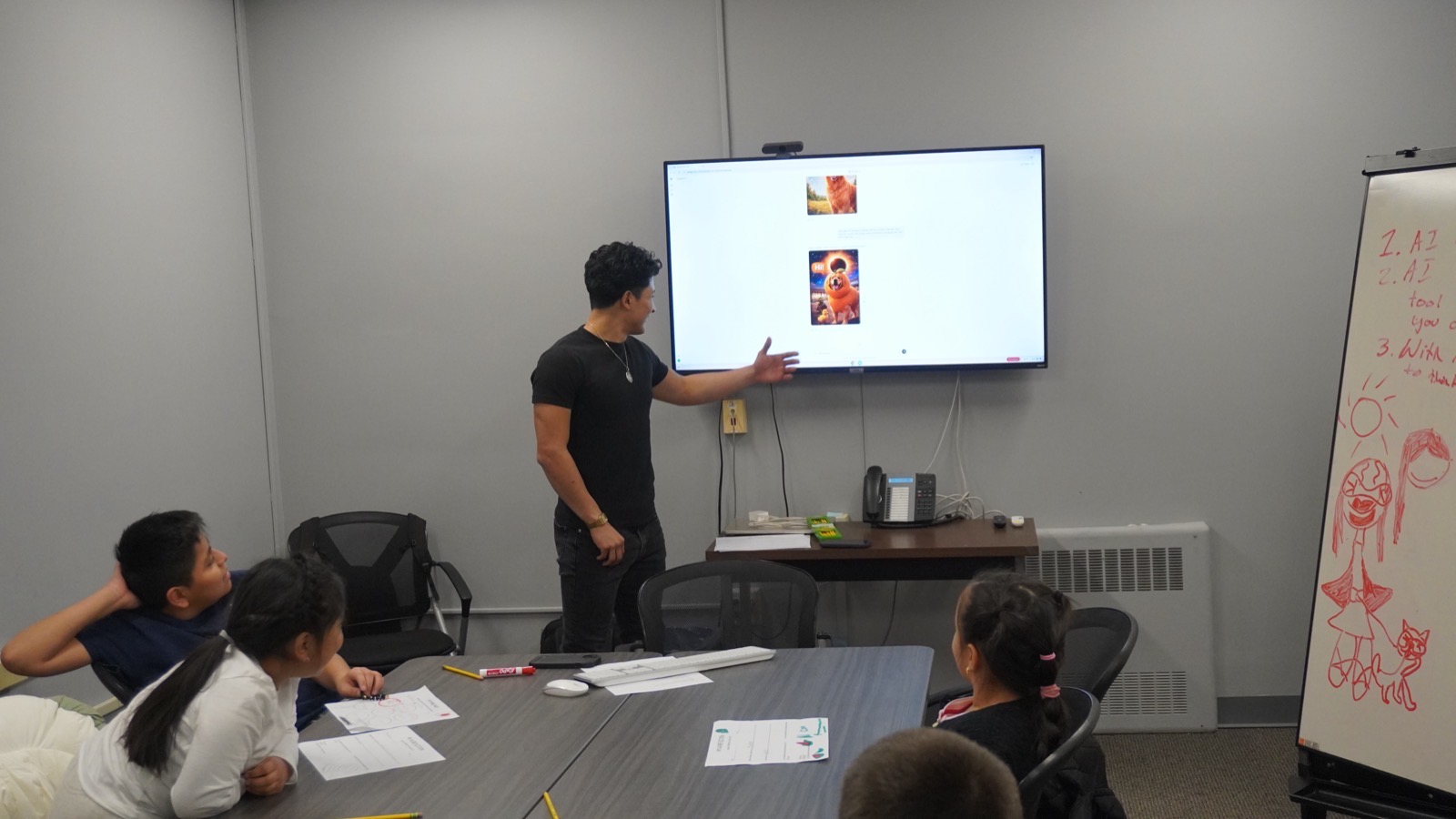
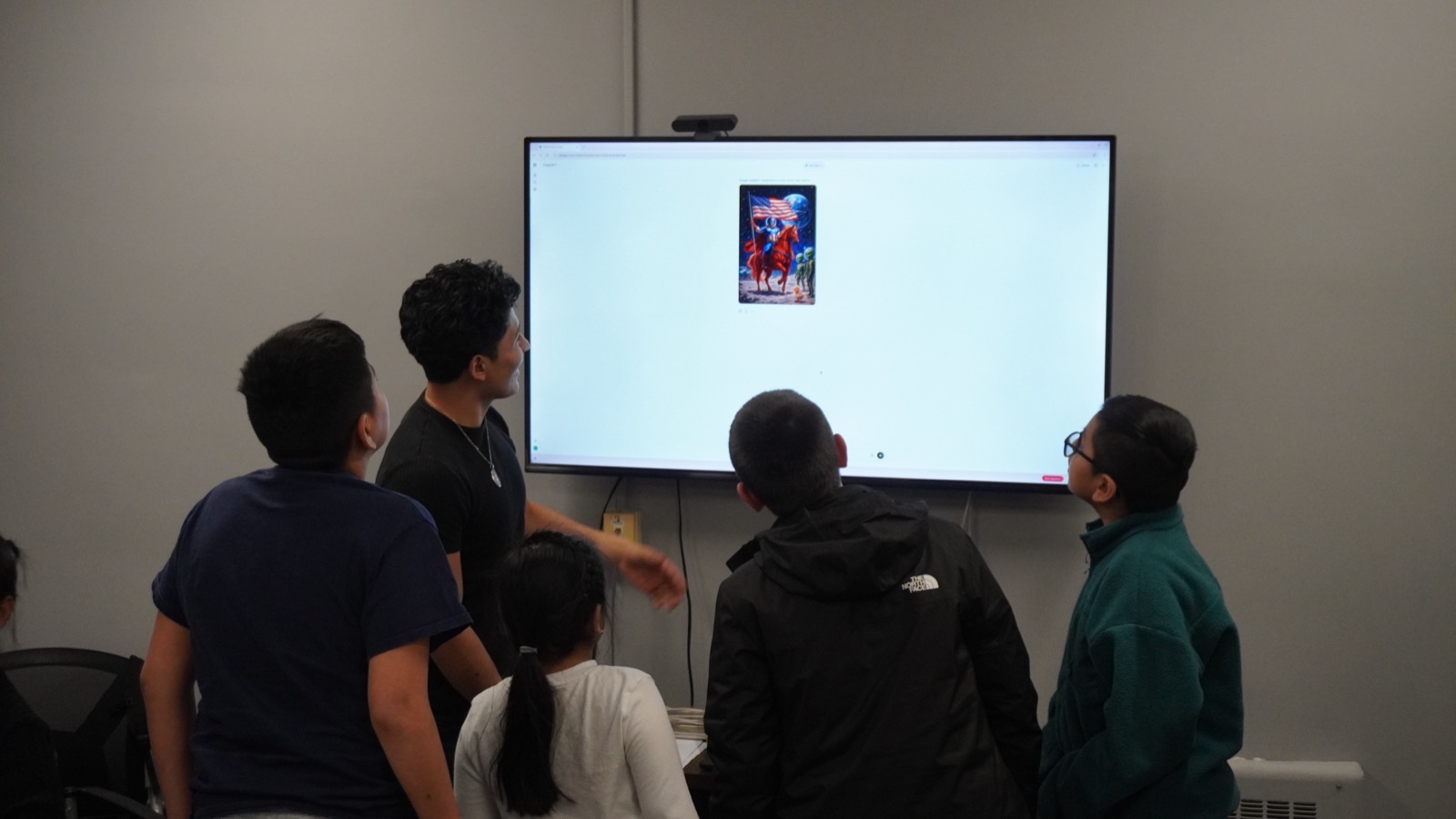
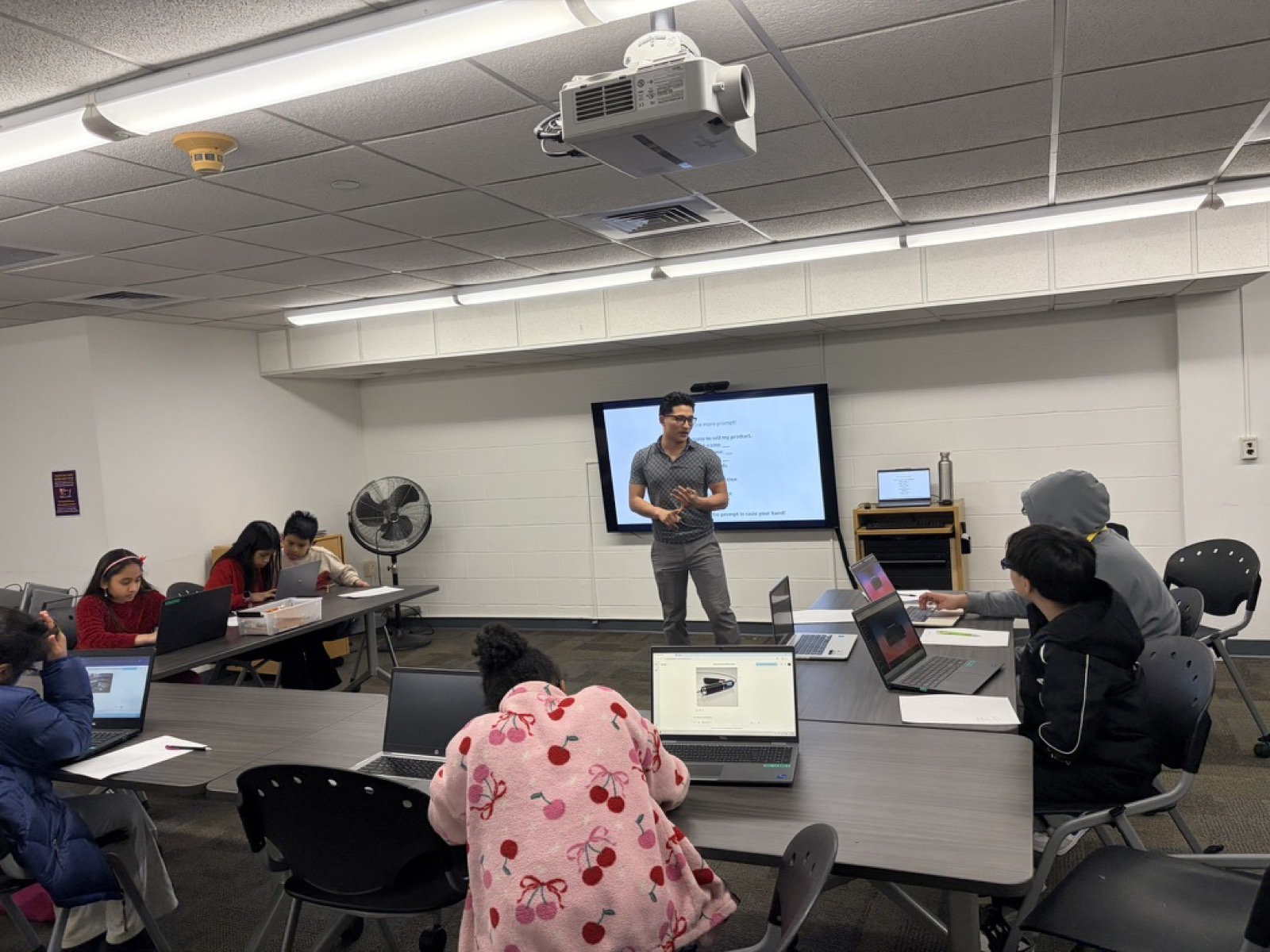
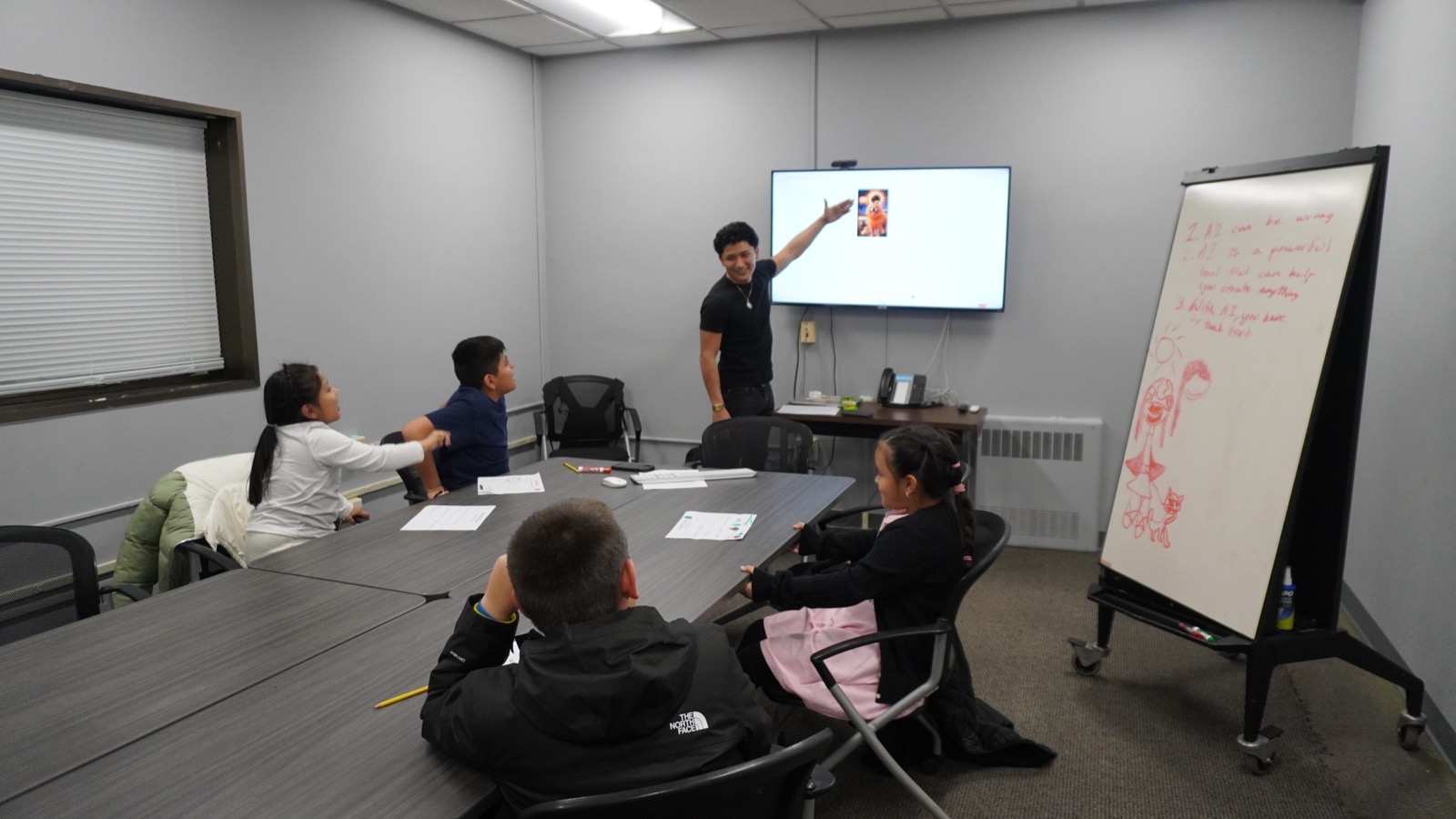
Brayan teaching a full classroom to build with AI Brayan presenting an AI lesson to students A district curriculum team in an AI working session Brayan teaching students to prompt with AI Brayan and students gathered around an AI-generated image Brayan training in the ring
Next Generation Learners, teaching the full class

The founder

Brayan Tenesaca

19 · Babson College · founder of Cheeklay

Builds with schools from the ground up: closes the laptop, asks teachers what’s wrong, and builds what they need with them.

Cheeklay is the idea underneath all of it: ask the teachers first, then build what they’ve always needed.

The family

One idea, three ways in.